
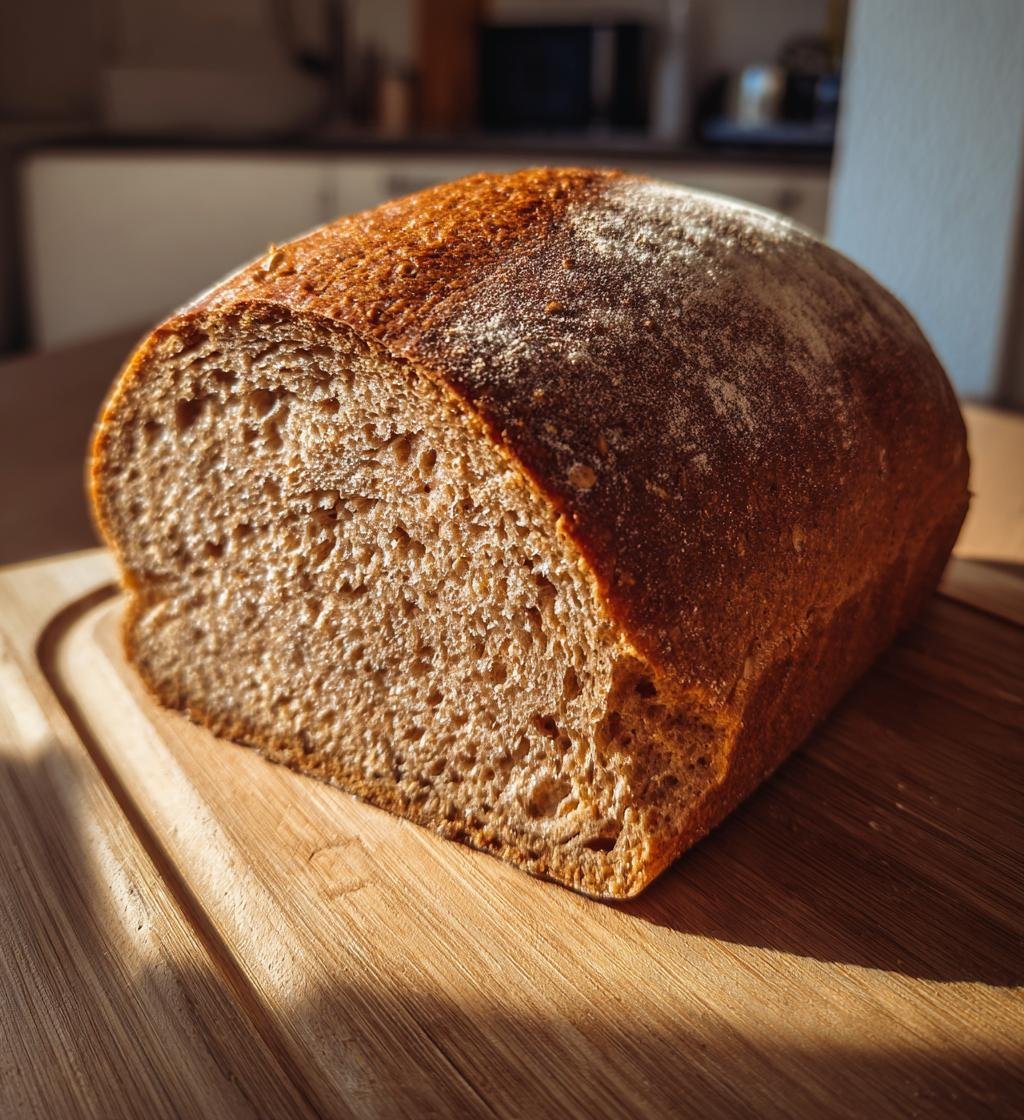
There’s something magical about pulling a fresh loaf of healthy, easy wholegrain rye bread from the oven—that earthy aroma filling your kitchen, the crust crackling as it cools. I still remember my first attempt at baking rye bread, years ago, when I realized how stupidly simple it could be. No fancy equipment, no hours of kneading—just five basic ingredients transformed into something nourishing and delicious. This recipe became my weekly ritual, the kind of wholesome baking that makes you feel like a domestic goddess with minimal effort. And trust me, once you taste homemade rye bread’s nutty, slightly tangy flavor, you’ll never go back to store-bought. Best part? It’s packed with fiber and nutrients while being naturally low in fat—real bread the way nature intended.
Why You’ll Love This Healthy Easy Wholegrain Rye Bread
This isn’t just bread—it’s your new kitchen superhero. Here’s why:
- Wholesome goodness: Packed with fiber and nutrients from 100% wholegrain rye flour, each slice keeps you full and energized without the guilt.
- Five-ingredient magic: Flour, water, yeast, salt, and a touch of honey—that’s it! No weird additives hiding in your loaf.
- Beginner-friendly: No complicated techniques here. If you can stir and wait, you can make incredible bread.
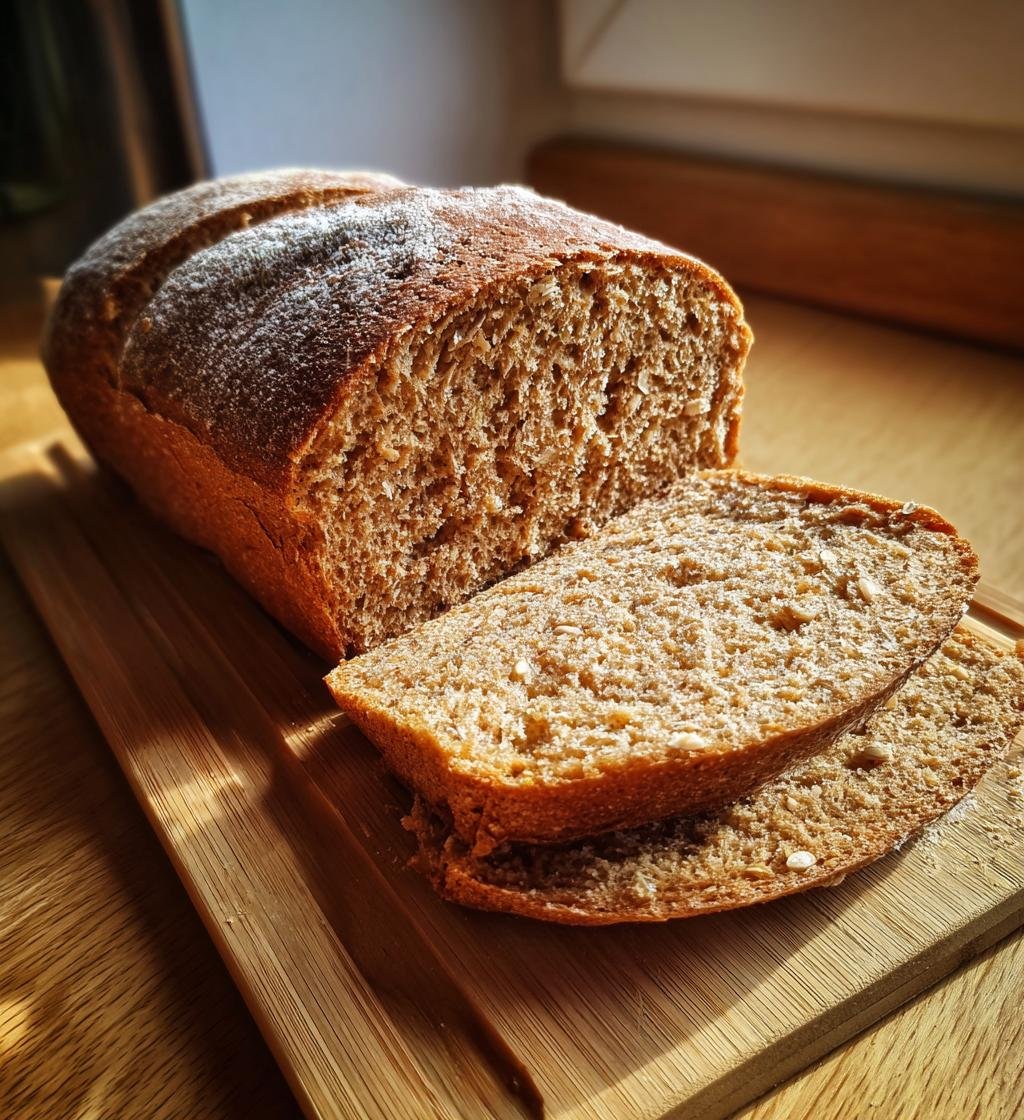
- That perfect chew: The crust sings when you tap it, while the inside stays moist with just the right density.
Seriously, once you try this, those sad supermarket loaves will break your heart.
Ingredients for Healthy Easy Wholegrain Rye Bread
Gather these simple ingredients—each one plays a special role in creating that perfect loaf. I’ve learned through trial and error (and a few hockey puck loaves early on) that precision matters here. Don’t worry, though—we’re still keeping it wonderfully simple!
- 500g wholegrain rye flour (not light rye—we want all those hearty bran bits!)
- 350ml lukewarm water (about 40°C/105°F—think baby bottle warm, not hot)
- 10g salt (I use fine sea salt—it dissolves evenly into the dough)
- 7g dry yeast (that’s one standard packet if you’re using pre-measured)
- 1 tbsp honey (just a kiss of sweetness to balance rye’s earthiness)
See? Nothing fancy hiding in there. Just real ingredients that probably live in your pantry already. The rye flour might be the only wildcard, but trust me—once you buy that first bag, you’ll find yourself reaching for it all the time.
Equipment You’ll Need
Here’s the beautiful part—you don’t need a fancy bread machine or any special gadgets to make this healthy rye bread. Just grab these basic tools (you probably own most already!), and you’re golden. I’ve made this loaf in tiny apartments and borrowed kitchens—it’s that adaptable.
- A large mixing bowl (big enough to let your dough double in size without making a mess)
- Loaf pan or baking tin (standard 9×5 inch works perfectly—no need to grease it if it’s nonstick)
- Kitchen scale (trust me, weighing ingredients makes all the difference with rye flour)
- Measuring spoons (for those precise amounts of yeast and salt)
- Oven (obviously! But do check yours runs true to temperature—my first loaf taught me that lesson)
That’s seriously it! No stand mixer required (though you can use one if you’re lazy like me sometimes). Just good old-fashioned hands and a little patience. Oh, and a clean kitchen towel for covering your dough—though I’ve used a dinner plate in a pinch when I couldn’t find mine. See? No excuses not to bake this today!
How to Make Healthy Easy Wholegrain Rye Bread
Okay, let’s get our hands floury! This process is simpler than you think—I’ve made this loaf so many times I could do it in my sleep (and some Saturday mornings, I practically have). Follow these steps, and you’ll have golden-brown, aromatic rye bread that’ll make your whole place smell like a European bakery.
Step 1: Mix Dry Ingredients
Grab that big mixing bowl—I use my trusty 4-quart ceramic one—and dump in your wholegrain rye flour. Now, here’s my little trick: whisk the flour, yeast, and salt together for about 30 seconds before adding liquids. This ensures everything gets evenly distributed so you don’t end up with salty pockets or dead yeast spots. It should look like a uniform earthy powder when you’re done.
Step 2: Add Wet Ingredients and Knead
Pour in your lukewarm water and drizzle that honey right over everything. Now roll up your sleeves—this is where the fun begins! Mix with a wooden spoon at first, then dive in with clean hands. The dough will feel sticky—that’s normal! Resist the urge to add more flour. Knead for about 5 minutes until it comes together in a shaggy ball that holds its shape when you poke it. It should feel like damp clay—not soupy, not dry.
Step 3: First Rise
Cover the bowl with a damp kitchen towel (I’ve used a shower cap in emergencies—don’t judge) and let it rest in a warm spot for 1 hour. No cheating on the time! My favorite rising spot? On top of the fridge while the oven preheats below. The dough won’t double like wheat bread—rye’s more modest—but you’ll see it puff up beautifully and get those lovely little bubbles on the surface.
Step 4: Shape and Second Rise
Now, gently tip your dough onto a lightly floured surface—no vigorous punching down here! Shape it into a loaf by folding the edges toward the center, then roll it smooth. Pop it into your baking tin seam-side down. Cover again and let it rise for another 30 minutes while your oven finishes heating. You’ll know it’s ready when the dough springs back slowly if you poke it.
Step 5: Bake to Perfection
Into the oven it goes at 200°C (390°F)—and here’s my secret: toss a small oven-safe dish of water on the lower rack for steam. Bake for 40 minutes until the crust is deep golden brown and sounds hollow when tapped. If it’s browning too fast, tent it with foil after 25 minutes. Your kitchen will smell absolutely divine!
Step 6: Cooling and Slicing
This is the hardest part—waiting! Let the loaf cool completely in the pan for 10 minutes, then transfer to a wire rack. I know it’s tempting, but don’t slice for at least 2 hours—rye needs time to set its structure. Otherwise, you’ll end up with gummy slices that stick to your knife. Trust me, it’s worth the wait for that perfect crumb!
Tips for the Best Healthy Easy Wholegrain Rye Bread
After baking more loaves than I can count (and yes, a few disasters along the way), I’ve picked up some game-changing tricks that’ll take your rye bread from good to “Oh my god, you MADE this?!” Here are my absolute must-know tips:
Weigh your flour—don’t eyeball it! Rye flour packs differently than wheat flour, so measuring cups can lie. My kitchen scale is my bread-baking BFF—500g every time for perfect consistency. That one extra minute of precision saves you from dense brick loaves.
Spritz magic: Want that professional bakery crust? Right before baking, lightly spray your loaf with water using a clean spray bottle. The steam creates that gorgeous crisp exterior while keeping the inside moist. I learned this from an old Finnish baker—total game changer!
The windowpane test: Not sure if you’ve kneaded enough? Pinch off a small piece of dough and gently stretch it. If you can see light through it without tearing (like a windowpane), you’re golden. If not, give it another minute of kneading—this simple trick has saved me from underdeveloped dough disasters.
Slice smarter: Use a serrated bread knife and saw gently—don’t press down! Rye’s dense crumb needs patience. And here’s my weird but brilliant trick: run the knife under hot water between slices for cleaner cuts. Works like a charm every time!
Storage and Reheating Instructions
Now that you’ve baked this gorgeous loaf, let’s talk about keeping it fresh—because nothing’s sadder than stale rye bread! Here’s how I store mine to make sure every slice tastes as good as day one. (And yes, I’ve learned these lessons the hard way after too many dried-out loaves!)
Airtight is right: Once completely cooled, wrap your rye bread tightly in beeswax wrap or stash it in an airtight container at room temperature. The crust will soften slightly—that’s normal with rye—but the inside stays perfectly moist for up to 3 days. Pro tip: If your kitchen runs humid, tuck a paper towel in the container to absorb excess moisture.
Freezing for later: This bread freezes like a dream! Slice it first (trust me, trying to slice frozen bread is a nightmare), then wrap individual portions in parchment paper before bagging them. They’ll keep beautifully for 2-3 months. When cravings strike, just pop a slice straight into the toaster—no thawing needed. My freezer always has a stash for emergency avocado toast situations!
Reviving day-old bread: If your loaf starts feeling a bit stiff, don’t despair! Sprinkle it lightly with water and pop it in a 180°C (350°F) oven for 5-7 minutes. It’ll come out warm and fragrant, almost like fresh-baked. For single slices, 30 seconds in the toaster works wonders—especially if you’re making open-faced sandwiches. The heat brings back that wonderful rye aroma!
One last thing—never refrigerate rye bread! The cold accelerates staling and makes the texture weirdly gummy. I learned this the hard way after ruining my first perfect loaf. Room temp or freezer only—your future self will thank you when every slice tastes bakery-fresh.
Nutritional Information
Let’s talk numbers—because when bread tastes this good, you’ll want to know exactly what you’re getting! Now, I’m no nutritionist (just a bread-loving home cook), but here’s the breakdown per slice based on my standard loaf cut into 12 pieces. Remember, these are estimates—your exact numbers might dance a bit depending on your specific flour brand or how thick you slice!
- 120 calories – That’s less than most store-bought breads!
- 4g protein – Rye packs more protein than you’d expect from a grain
- 25g carbohydrates – The good kind that keeps you fueled
- 4g fiber – Nearly 15% of your daily needs in one slice
- 1g sugar – Just from that tiny bit of honey
- 200mg sodium – About 9% of daily value—not bad for bread!
What makes me happiest? Zero cholesterol, barely any fat (just 1g per slice), and all those wonderful micronutrients from the wholegrain rye flour. It’s bread you can feel good about eating—no guilt, just wholesome goodness. Pro tip: Pair it with some protein-rich toppings like nut butter or smoked salmon to make it an even more balanced snack or meal!
Important note: These values can vary based on your exact ingredients—especially between different rye flour brands. My favorite organic stone-ground rye tends to run higher in fiber than commercial varieties. Always check your specific product labels if you’re tracking nutrients closely!
FAQs About Healthy Easy Wholegrain Rye Bread
I’ve gotten so many questions about this recipe over the years—some from panicked texts with photos of questionable-looking dough! Here are the answers to everything you might wonder about baking perfect rye bread at home. Consider this your troubleshooting bible for rye bread success!
Can I use instant yeast instead of dry yeast?
Absolutely! I use both interchangeably in this recipe. If you’re using instant yeast, you can skip the proofing step and mix it right in with the dry ingredients—one less bowl to wash! The measurements stay the same (7g), but your rise times might be slightly faster. Just keep an eye on your dough rather than watching the clock.
Why did my rye bread turn out so dense?
Ah, the classic rye bread dilemma! First, don’t panic—dense is kind of rye’s personality. But if it’s more brick than bread, here’s what probably happened: over-measuring the flour (always weigh it!), under-kneading (that windowpane test is crucial), or cutting into it too soon (patience, grasshopper!). Also, rye lacks gluten, so it’ll never be as airy as wheat bread—that dense, moist crumb is part of its charm!
Can I make this without honey for a sugar-free version?
You bet! The honey just balances rye’s natural earthiness—it’s not essential for the bread’s structure. I’ve successfully used maple syrup, agave, or even skipped sweeteners entirely. Without it, your bread will taste more traditionally Scandinavian—deep, slightly sour, and wonderfully rustic. Just add an extra tablespoon of water to compensate for the missing liquid.
How do I know when my rye bread is fully baked?
That hollow sound when you tap the bottom is your best clue—it should sound like knocking on a wooden door! The crust should be deep golden brown, and if you dare to temp-check, the internal temperature should hit about 90°C (195°F). But my foolproof test? The sides will pull slightly away from the pan, and the loaf feels light when you lift it. If in doubt, bake 5 more minutes—rye forgives over-baking better than under-baking!
Share Your Loaf!
Alright, bread champion—I need to see your masterpiece! There’s nothing I love more than spotting your golden-brown loaves popping up in my notifications. Did your crust crackle just right? Did your family go nuts over it? Snap a pic and tag me @RyeBreadLover—I’ll probably repost my favorites (and yes, I’ll gush over your crumb shots like the bread nerd I am).
Struggled with something? Don’t be shy—drop a comment below with your baking adventures. Was your dough too sticky? Did you try any fun twists like adding caraway seeds? Your questions help other bakers too. And if this recipe rocked your world (or even if you’ve got suggestions to make it better), hit that star rating—it helps more home bakers find this simple rye magic. Now go forth and bake proud!
Print
Easy Healthy Easy Wholegrain Rye Bread – 5-Ingredient Magic Loaf
- Total Time: 2 hours
- Yield: 1 loaf
- Diet: Vegetarian
Description
A simple, healthy wholegrain rye bread with just 5 ingredients. Perfect for sandwiches or toast.
Ingredients
- 500g wholegrain rye flour
- 350ml water
- 1 tsp salt
- 1 tbsp honey
- 7g dry yeast
Instructions
- Mix flour, yeast and salt in a bowl
- Add water and honey, knead for 5 minutes
- Let dough rise for 1 hour
- Shape into loaf and place in pan
- Bake at 200°C for 45 minutes
Notes
- For extra flavor, add caraway seeds
- Let cool completely before slicing
- Stays fresh for 3 days at room temperature
- Prep Time: 15 minutes
- Cook Time: 45 minutes
- Category: Bread
- Method: Baking
- Cuisine: European