
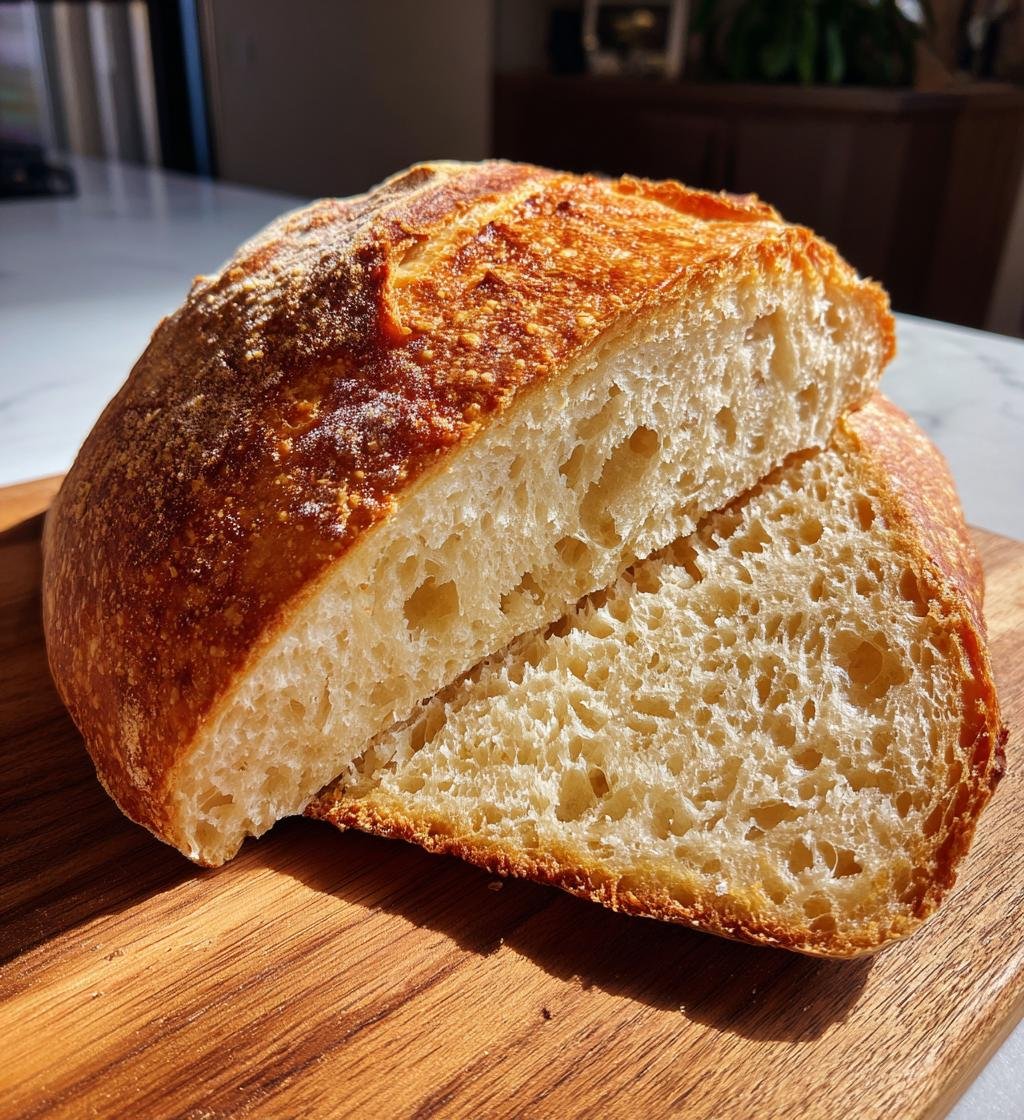
I’ll never forget my first attempt at baking bread – what a disaster! My kitchen looked like a flour bomb went off, and my “loaf” could’ve doubled as a doorstop. But that experience taught me something important: great bread doesn’t need to be complicated. This healthy homemade bread recipe for beginners changed everything for me. With just a handful of wholesome ingredients and simple steps, you’ll have warm, fresh bread that’s way better than anything from the store. No fancy equipment needed, just your hands and a little patience. Trust me, if I can do it after that first disaster, so can you!
Why You’ll Love This Healthy Homemade Bread Recipe for Beginners
Oh, where do I even start? This bread is my absolute go-to because it’s just so easy—no kneading machine, no complicated steps, just pure baking joy. Here’s why you’ll adore it too:
- Wholesome ingredients: Whole wheat flour, olive oil, and a touch of honey—no mystery additives or preservatives lurking here.
- Beginner-friendly: The steps are foolproof (and I mean that—I tested them after my infamous “doorstop loaf” phase).
- That heavenly texture: Soft, slightly chewy, and perfect for everything from avocado toast to peanut butter sandwiches.
- The smell: Oh, the smell! Nothing beats the cozy aroma of fresh bread filling your kitchen.
It’s the kind of recipe that makes you feel like a baking rock star, even if it’s your very first try.
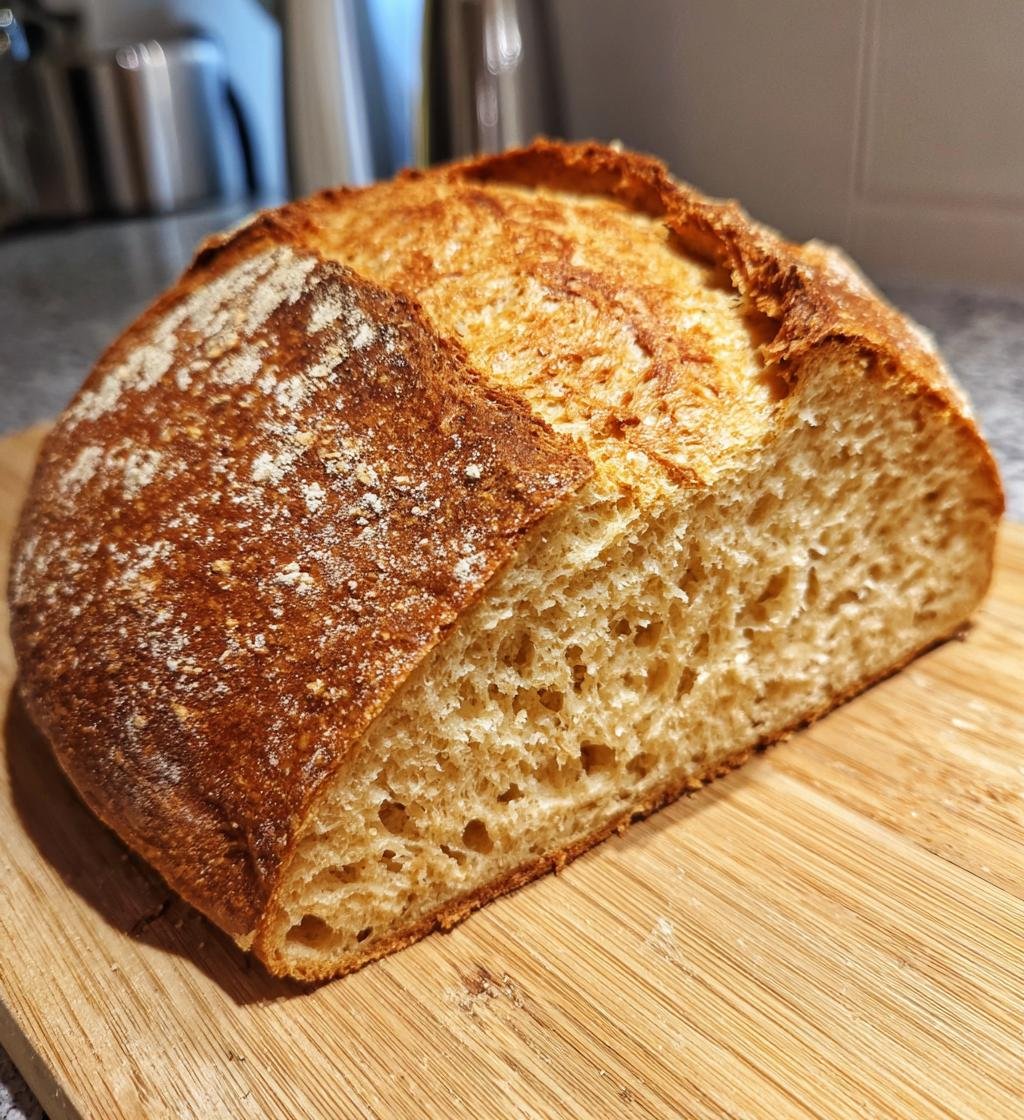
Ingredients for Healthy Homemade Bread Recipe for Beginners
Here’s the beautiful part – you probably have most of these ingredients in your pantry right now! I love how simple this list is, but let me share a few secrets about each one to make sure your bread turns out perfect:
- Whole wheat flour (3 cups, spooned and leveled): Don’t pack it down! I learned the hard way that scooping straight from the bag gives you too much flour. Lightly spoon it into your measuring cup for the right amount.
- Active dry yeast (1 packet or 2 1/4 tsp): Check the expiration date – yeast is alive and needs to be fresh! I keep mine in the freezer to extend its life.
- Warm water (1 1/4 cups, 110°F): This is the Goldilocks zone – too hot kills the yeast, too cold won’t wake it up. If you don’t have a thermometer, it should feel like warm bath water.
- Honey (1 tbsp): The yeast’s favorite food! You can swap this for maple syrup if you prefer – both work beautifully.
- Olive oil (2 tbsp): Adds moisture and that gorgeous golden crust. Use the good stuff – it makes a difference!
- Salt (1 tsp): Don’t skip this! It balances the flavors and strengthens the gluten. I like fine sea salt for even distribution.
See? Nothing fancy, just real food that comes together to make something magical. And if you’re missing something, don’t panic – I’ve included easy swaps in the notes below!
Equipment Needed
Here’s the best part – you don’t need any fancy gadgets! My bread-making adventures have taught me that simple tools work best. Here’s what you’ll grab:
- A large mixing bowl (I use my favorite chipped one – perfection is overrated!)
- 1 standard loaf pan (about 9×5 inches)
- Measuring cups and spoons
- Trusty wooden spoon for stirring
- Clean kitchen towel for covering
That’s it! No stand mixer, no bread machine – just good old-fashioned hands-on baking. See? I told you this was beginner-friendly!
Step-by-Step Instructions for Healthy Homemade Bread Recipe for Beginners
Preparing the Yeast Mixture
Okay, let’s wake up those yeast babies! Here’s where the magic starts. Grab your warm water (remember – think baby bath temperature, about 110°F) and mix it with the honey in a large bowl. Sprinkle the yeast on top and give it a gentle stir. Now, walk away for 5 minutes – this is your first test of patience! When you come back, you should see a foamy layer on top (that’s your yeast saying “Let’s bake!”). No foam? Your yeast might be too old or your water too hot/cold. Don’t worry – it happens to all of us sometimes!
Mixing and Kneading the Dough
Time to get your hands dirty! Add the flour, salt, and olive oil to your bubbly yeast mixture. Stir with a wooden spoon until it forms a shaggy dough. Turn it out onto a lightly floured surface – here’s where the fun begins! Knead for about 10 minutes (set a timer – I always think it’s been longer than it has). You’ll feel the dough transform from sticky to smooth and elastic under your hands. If it’s sticking too much, add a tiny bit more flour (like 1 tbsp at a time), but resist the urge to add too much – we want tender bread, not hockey pucks!
First and Second Rise
Shape your beautiful dough into a ball and place it in a lightly oiled bowl, turning to coat. Cover with a damp towel (I use my grandmother’s tea towel – it’s practically part of the recipe now!). Now, the hardest part – waiting! Let it rise in a warm spot for about 1 hour until doubled in size. No warm spot? Turn your oven light on and place the bowl in the turned-off oven – works like a charm! After the first rise, punch down the dough (so satisfying!), shape it into a loaf, and place it in your greased loaf pan. Cover and let rise again for 30 minutes – it should rise just above the pan’s edges.
Baking the Bread
While your dough does its final rise, preheat your oven to 375°F (190°C). When ready, pop that beautiful loaf in the center rack and set your timer for 30 minutes. You’ll know it’s done when it’s golden brown and sounds hollow when tapped on the bottom (careful – it’s hot!). If you’re unsure, an instant-read thermometer should read 190°F in the center. Let it cool in the pan for 5 minutes, then transfer to a wire rack. I know it’s tempting, but wait at least 20 minutes before slicing – this helps set the crumb so you don’t end up with gummy bread. Then… enjoy your homemade masterpiece!
Tips for Perfect Healthy Homemade Bread Recipe for Beginners
After baking countless loaves (and yes, some disasters!), here are my golden rules for perfect bread every time:
- Yeast check: Always test your yeast first – if it doesn’t foam, your bread won’t rise. Been there!
- Flour gently: Resist adding too much flour while kneading. A slightly sticky dough makes softer bread.
- Patience pays: Don’t rush the rises. That extra 15 minutes can mean the difference between good and amazing.
- The tap test: When baked, your loaf should sound hollow when tapped underneath – like a little drum!
- Cool completely: I know it’s hard, but waiting to slice prevents a gummy texture. Perfect toast is worth it!
Remember, even imperfect homemade bread beats store-bought any day. Happy baking!
Variations for Your Healthy Homemade Bread
Once you’ve mastered the basic recipe (and trust me, you will!), it’s time to play with flavors! Here are my favorite ways to jazz up this healthy homemade bread – because variety is the spice of baking life:
Seed Sensations
I love adding texture with seeds! Try mixing in 1/4 cup of your favorites when you add the flour. My top picks:
- Sunflower seeds for crunch
- Flaxseeds for nutty flavor and omega-3s
- Pumpkin seeds (pepitas) for color
- Sesame seeds for that bakery-style look
Herb Heaven
Fresh herbs transform this bread into something special. My go-to combo is 2 tbsp chopped rosemary with 1 tsp dried oregano. The smell while baking? Absolute magic! For Italian vibes, try basil and garlic powder. Just mix these in with the dry ingredients.
Oatmeal Upgrade
Replace 1/2 cup of the whole wheat flour with old-fashioned oats for a heartier texture. I sometimes sprinkle extra oats on top before baking for a picture-perfect finish. Pro tip: soak the oats in the warm water for 10 minutes first for extra softness!
Sweet or Savory Twists
Customize to your mood! For sweeter bread, add 1 tbsp more honey and 1 tsp cinnamon. Craving savory? Increase the salt to 1 1/2 tsp and add 1/4 tsp black pepper. My kids go crazy when I stir in 1/4 cup raisins and 1 tsp cinnamon – perfect for French toast!
Remember, baking is personal – make this recipe yours! Just keep the total additions to about 1/2 cup max so the dough stays balanced. Happy experimenting!
Serving and Storing Your Healthy Homemade Bread
Now comes the hardest part – waiting to slice into that gorgeous loaf! I learned this lesson the hard way when I couldn’t resist cutting into my first loaf immediately. Big mistake – it squished like a sponge! Here’s how to handle your bread baby right:
The Art of Cooling
That fresh-from-the-oven aroma is intoxicating, but resist! Let your bread cool in the pan for just 5 minutes, then transfer to a wire rack. Why? The steam inside needs to settle, or you’ll end up with gummy slices. My trick? I set a timer for 30 minutes and distract myself with cleanup. When you finally slice, use a serrated knife with a gentle sawing motion – no squishing!
Storage Smarts
Homemade bread doesn’t have preservatives, so it needs a little extra love to stay fresh:
- First 3 days: Store at room temperature in an airtight container or bread box. I line mine with a paper towel to absorb excess moisture.
- Long-term love: Slice and freeze in a freezer bag for up to 3 months. I write the date with a marker – because frozen bread amnesia is real!
- Reviving leftovers: Stale bread? Don’t toss it! Lightly dampen and pop in a 350°F oven for 5 minutes. Or make croutons – tear into chunks, toss with olive oil, and bake until crispy.
Serving Suggestions
Oh, the possibilities! My family’s favorite ways to enjoy this bread:
- Thick slices toasted with almond butter and banana
- As the base for avocado toast (sprinkle with everything bagel seasoning!)
- For sandwiches – it holds up beautifully to juicy tomatoes
- Simply warm with butter and honey – nothing beats the classics
Remember, homemade bread lives differently than store-bought. It might firm up faster, but the flavor? Absolutely worth it. That first bite of your own creation? Pure baking bliss!
Nutritional Information
Here’s the scoop on what makes this bread not just delicious, but actually good for you! Now, full disclosure – these numbers are estimates based on standard ingredients. Your actual nutrition might vary slightly depending on your exact flour brand, honey type, etc. But here’s the general picture per slice (assuming you get about 12 slices from one loaf):
- Calories: 120 (perfect for guilt-free snacking!)
- Carbohydrates: 20g (the good kind from whole grains)
- Fiber: 3g (that’s 12% of your daily needs – not bad!)
- Protein: 4g (more than most store-bought breads)
- Sugar: 2g (just from the honey and natural wheat sugars)
- Fat: 3g (the heart-healthy kind from olive oil)
What I love most? Unlike processed breads, there’s zero cholesterol, trans fats, or weird additives here. Just real food giving you real energy. And if you add seeds or oats like I sometimes do, those fiber and protein numbers go even higher. Now that’s what I call a win-win!
FAQs About Healthy Homemade Bread Recipe for Beginners
I’ve gotten so many great questions from friends trying this recipe – here are the ones that pop up most often with my tried-and-true answers!
Can I use all-purpose flour instead of whole wheat?
Absolutely! I do this all the time when I want a lighter texture. Use the same amount (3 cups), but you might need slightly less water since all-purpose flour absorbs less. The bread will be softer but still delicious. For a happy medium, try half whole wheat and half all-purpose – my family’s favorite combo!
How do I know if my yeast is still active?
The “foam test” never lies! If your yeast-water mixture doesn’t get foamy after 5-10 minutes, your yeast might be too old. I keep mine in the freezer to extend its life, but even then, it eventually loses potency. Fresh yeast should bubble like a little science experiment – if not, time for a new packet!
Can I make this without a loaf pan?
Of course! I’ve shaped this dough into rounds on a baking sheet when my loaf pans were dirty (real life happens!). Just form a tight ball, let it rise on parchment paper, and bake at the same temperature. It might need a few extra minutes – tap the bottom for that hollow sound to check doneness.
Why didn’t my bread rise very much?
Oh, I’ve been there! Usually it’s one of three things: 1) Your yeast was old or the water was too hot/cold, 2) The rising spot wasn’t warm enough (try near a sunny window next time), or 3) You added too much flour, making the dough too heavy. Don’t worry – dense bread still tastes great toasted with jam!
How can I tell when the bread is fully baked?
Besides the golden color, I swear by two tests: 1) Tap the bottom – it should sound hollow, not dull, and 2) Check the internal temperature – 190°F means it’s done. If you don’t have a thermometer, insert a skewer – it should come out clean, not doughy. Remember, it keeps cooking a bit as it cools! Internal temperature is the most reliable indicator of doneness.
Baking is all about practice – every “mistake” teaches you something new. Got more questions? Drop them in the comments below, and I’ll help troubleshoot! Happy baking!
Final Thoughts
You’ve made it to the best part – the moment where you roll up your sleeves and bake your first loaf! I still get giddy every time I pull a fresh-baked loaf from the oven, and trust me, that feeling never gets old. This healthy homemade bread recipe for beginners is your ticket to that magic. No fancy skills required – just follow those simple steps, trust the process, and let your kitchen fill with that incredible baking aroma.
Can’t wait to hear how your bread turns out! Did you add any fun mix-ins? Snap a photo of your masterpiece (even if it’s a little lopsided – mine often are!) and share it with friends or on social media. Tag it #MyFirstHomemadeBread so I can cheer you on! Remember, every baker started somewhere – that floury disaster I mentioned at the beginning? It led me here, to sharing this foolproof recipe with you.
So what are you waiting for? Preheat that oven, dust off your mixing bowl, and let’s bake some bread! Your future self, enjoying toast made from your very own loaf, will thank you. Happy baking, friends!
Print
Easy Healthy Homemade Bread Recipe for Beginners in 5 Simple Steps
- Total Time: 1 hour 45 minutes
- Yield: 1 loaf
- Diet: Vegetarian
Description
A simple and healthy homemade bread recipe perfect for beginners. This recipe uses basic ingredients and easy steps to create delicious, nutritious bread.
Ingredients
- 3 cups whole wheat flour
- 1 cup warm water
- 1 packet active dry yeast
- 1 tbsp honey
- 1 tsp salt
- 1 tbsp olive oil
Instructions
- Mix yeast, honey, and warm water. Let sit for 5 minutes until foamy.
- Add flour and salt to the yeast mixture. Knead for 10 minutes.
- Place dough in a greased bowl, cover, and let rise for 1 hour.
- Shape dough into a loaf and place in a greased pan. Let rise for 30 minutes.
- Bake at 375°F for 30 minutes or until golden brown.
Notes
- Use fresh yeast for best results.
- Let dough rise in a warm place.
- Check bread is done by tapping the bottom; it should sound hollow.
- Prep Time: 15 minutes
- Cook Time: 30 minutes
- Category: Bread
- Method: Baking
- Cuisine: American